



Rear-End Accident Lawyer in Florida
Pardy & Rodriguez, P.A. helps people in Florida seek legal guidance after a rear-end accident with clear communication, local care, and support from a team small enough to know your story.
Talk With a Rear-End Accident Lawyer in Florida After Being Hit From Behind
A rear-end accident can happen fast. The collision itself can take less than a second, and yet the aftermath stretches out for weeks or months afterward. You may be dealing with neck pain that flares up unexpectedly, a vehicle that is no longer reliable, and an insurance process that feels more confusing than helpful.
What makes rear-end crashes especially frustrating is the feeling that it was so avoidable. You were stopped. You were following the rules. And still, here you are. That frustration is valid, and it should not keep you from learning what you may have grounds to pursue after the crash. At Pardy & Rodriguez, P.A., we work with people across Florida who have been hurt in rear-end accidents. Our role is to help carry the legal burden so you can focus on your health.
Call us at 888-522-0222 or fill out our online form to schedule a free consultation with our team.
Key Takeaways
Here are the main points to know after a rear-end accident:
- A rear driver is often presumed negligent in a rear end collision case, but that issue can still be disputed when the front driver, rear vehicle, road conditions or another party may have contributed.
- Florida’s personal injury protection rules make timely medical treatment an important part of many car accidents, especially when pain appears after the accident scene clears.
- Florida’s no-fault insurance system may provide certain benefits, but serious injuries can raise questions about a claim beyond personal injury protection.
- Insurance companies may dispute medical expenses, lost wages, vehicle damage, emotional distress, or whether the crash caused the injuries.
- Many Florida injury lawsuits based on negligence have a two-year deadline, so early legal guidance can help protect time-sensitive details.
- A rear-end accident lawyer at Pardy & Rodriguez, P.A., can help review police reports, medical records, witness statements, insurance claim documents, and other evidence connected to the crash.
What Is a Rear-End Accident Claim?
A rear-end accident occurs when one vehicle strikes the back of another. In Florida, these crashes are common on the road, happening at intersections, on highways and in slow-moving traffic alike.
From a legal standpoint, rear-end accidents often involve a strong presumption of fault on the part of the driver who made contact from behind. Florida follows a modified comparative fault framework, meaning that you may seek compensation proportional to the other party’s fault as long as your own share of responsibility does not exceed 50 percent.
Pursuing a rear-end accident claim may involve several sources of coverage, depending on the facts of the crash:
- The at-fault driver’s liability coverage: This may apply when the other driver caused the crash and has available coverage.
- Your own uninsured or underinsured motorist policy: This may help if the other driver has no insurance or does not have enough coverage for your losses.
- Florida’s personal injury protection system: This coverage may apply regardless of fault and can help with a portion of medical bills and lost wages.
Managing these coverage issues at the same time can be confusing, especially while you are dealing with injuries and vehicle damage. Having an attorney review the claim can make a tangible difference in how the process is handled from the beginning.
Benefits of Pursuing a Rear-End Accident Claim in Florida
Florida’s no-fault system may provide early support
Your personal injury protection coverage may help with a portion of your medical bills and lost wages without waiting for a full fault decision. An attorney can help you use this coverage properly while taking steps to protect your ability to pursue additional compensation when Florida law allows it.
The presumption of fault can work in your favor
While no case is certain, rear-end accidents often place primary responsibility on the following driver. Documenting the crash from the beginning can help protect your claim and give your attorney the information needed to respond if the insurance company disputes fault.
Insurers often undervalue soft tissue injuries
Whiplash and other neck or back injuries common in rear-end crashes are often questioned or minimized by insurance adjusters. An attorney familiar with these claims can help present medical records and treatment history in a way that reflects your experience.
Delayed injuries require careful legal handling
Symptoms from a rear-end crash sometimes appear days after the accident. Proper legal representation accounts for this timeline and prevents you from accepting a settlement before your full picture of harm is clear.
You have options even when the other driver is underinsured
Florida roads include many drivers who carry only the minimum required insurance. If their coverage is insufficient, your own underinsured motorist policy may bridge the gap, and an attorney can help you access it.
Causes of Rear-End Accidents in Florida
Common causes of rear end accidents in Florida include:
- Following too closely: Florida law requires drivers to leave a reasonable and prudent distance based on traffic, speed, and road conditions. A rear end driver who follows too closely may not have enough time to stop.
- Distracted driving: A driver who looks at a phone, GPS, rideshare app, food, or passengers may miss brake lights or slow traffic.
- Speeding: Speed can increase the force of impact and reduce reaction time, especially when traffic suddenly slows on highways.
- Faulty brake lights: Broken or dim brake lights can create a dispute about whether the following driver had fair warning.
- Unsafe lane changes: A front driver who cuts into a lane and brakes quickly may contribute to the rear end collision case.
- Stop and go traffic: Congested areas near exits, theme park corridors, downtown Orlando, and school zones can increase the risk of rear end car accident claims.
- Weather and road conditions: Heavy rain, standing water, construction areas, and poor visibility can affect stopping distance.
- Impaired or fatigued driving: Alcohol, drugs, medication, or exhaustion can slow reaction time and lead to serious injuries.
Common Injuries From Rear-End Accidents
Common injuries from rear end collisions can range from short-term soreness to severe injuries that affect work, sleep, movement, and daily life. Even a lower-speed rear end accident can force the body forward and backward quickly. The neck, head, shoulders, knees, and arms can absorb the impact, especially when a person grips the steering wheel or braces before the crash.
Rear end crashes can cause several types of injuries, including:
- Whiplash and neck injuries
- Back injuries
- Head injuries and head trauma
- Shoulder injuries
- Knee pain and leg injuries
- Soft tissue injuries
- Emotional distress
Visible injuries can help document trauma, but a lack of bruising does not mean the person is fine. Medical care and follow-up visits can help show how symptoms develop, how serious injuries affect work or daily routines, and whether related medical bills, lost wages, or future care needs may become part of the claim. In cases involving permanent injury or wrongful death, the case may also involve additional legal and financial concerns.
How the Rear-End Accident Claim Process Works in Florida
Taking the right steps early can help protect your health, preserve important evidence, and give your attorney the information needed to review your rear-end accident claim:
- Seek medical attention right away: Florida law generally requires you to seek initial medical care within 14 days of the accident to protect your eligibility for personal injury protection benefits. See a doctor even if your symptoms seem minor.
- Report the accident: File a police report and notify your insurance company. Be factual and avoid making statements about fault until you have spoken with an attorney.
- Gather and preserve evidence: Photographs, witness contact information, dashcam footage, and repair estimates all help build your case. Your attorney can issue preservation requests to parties who may have relevant records.
- Medical documentation and treatment: Consistent follow-up care can help create a clear record connecting your injuries to the accident. Gaps in treatment may give insurance companies room to question the claim, so following your care plan matters.
- Claim negotiation: Your attorney communicates with the at-fault driver’s insurer and your own carrier, reviews settlement offers, and helps you pursue a fair settlement based on the documented impact of the crash.
- Litigation if necessary: If an insurer refuses to offer fair compensation, filing a lawsuit is an option. Many cases still settle before trial, but being prepared to proceed gives your claim additional weight in negotiations.
Matters Handled Under Rear-End Accident Cases
Rear-end accident representation at Pardy & Rodriguez, P.A. covers a wide range of circumstances and injury types, including:
- Whiplash, neck injuries, and soft tissue damage
- Herniated or bulging discs and related spinal injuries
- Traumatic brain injuries from sudden jolting impact
- Injuries to passengers in the struck vehicle
- Multi-vehicle rear-end chain collisions
- Accidents involving commercial trucks or delivery vehicles that struck your car from behind
- Cases where the at-fault driver was underinsured or uninsured
- Property damage and total loss vehicle claims, alongside personal injury
Liability, Negligence, and Insurance Issues in Rear-End Collisions
Liability in a rear end accident often focuses on whether the rear driver kept a safe distance and paid attention to traffic. Florida law requires drivers to leave a reasonable distance based on speed, traffic, and road conditions, so that rule becomes important when the rear vehicle strikes the car ahead. A rear-end collision lawyer can help review how the crash happened and what evidence may support the claim.
Insurance companies may still dispute fault or the value of the claim. They may point to a sudden stop, brake light issues, minor vehicle damage, prior injuries, or gaps in medical treatment. These arguments can affect how the claim is reviewed.
Florida’s comparative fault law can also affect the amount an injured person may pursue. If fault is shared, damages may be reduced by the injured person’s percentage of fault. If the injured person is found greater than 50 percent at fault, Florida law may bar damages in many negligence claims.
Before giving a detailed statement or signing a settlement release, it helps to know whether the offer reflects your injuries, treatment, lost wages, and available evidence. Legal guidance can help you respond carefully and avoid moving forward before the full picture is clear.
Why Work With Pardy & Rodriguez, P.A.
Our approach is straightforward. We listen carefully, explain things honestly, and keep communication clear throughout the process. You should not feel left wondering what is happening with your claim. At Pardy & Rodriguez, P.A., clear communication is part of how we support our clients.
Our team brings local familiarity with Florida rear-end accident cases, Orlando roads, and how insurers often respond to injury claims. That practical knowledge helps us review the evidence, explain the next steps, and approach negotiations with your situation in mind. If you are looking for a rear-ended accident attorney after being hit from behind, Pardy & Rodriguez, P.A., can help you review your options with clear communication and realistic expectations.
Schedule Your Free Case Evaluation
If you were rear-ended in Florida and you are unsure what to do next, a conversation with our team costs you nothing. We will walk through what happened, answer your questions honestly, and help you review your options.
Call us at 888-522-0222 or fill out our online form to schedule a free consultation with our team. There is no obligation and no pressure.
Ask A Question,
Tell Us Your Situation, &
Get A Free Consultation
Required Fields*
Your Information Is Safe With Us.
Related Practice Areas
Frequently Asked Questions About Rear-End Accidents in Florida
- What Damages Can I Pursue After a Dog Bite Injury in Florida?
A dog bite claim may include medical expenses, lost wages, physical pain, emotional trauma, scarring, disfigurement, infection treatment, future medical care, and other damages supported by the facts. The value depends on the injuries caused, insurance coverage, and Florida law.
- What if the Dog Bite Happened at the Owner’s Home While I Was Visiting?
Being a lawful guest on the owner’s property does not automatically disqualify your claim. However, Florida law includes an exception if the owner displayed an easily readable “Bad Dog” sign, unless the person bitten was under six years old or the owner’s negligent act or omission caused the injury.
- Can I Pursue a Claim Against Someone I Know Personally?
Many dog bite claims involve a homeowner’s or renter’s insurance policy, not direct payment from the dog owner. This can make the claim less personally difficult than many people expect.
- How Long Do I Have To File a Dog Bite Claim in Florida?
Florida deadlines can depend on the legal theory, the date of the dog bite or animal attack, the injured person’s age, and the parties involved. Some negligence-based claims may involve a two-year deadline, while other dog bite claims may involve different timing under Florida law. A dog bite attorney can review the facts and explain which deadline may apply.
- Does Florida Dog Bite Law Apply if the Dog Had Never Bitten Anyone Before?
Florida follows a strict liability standard for many dog bite claims. This means prior dangerous behavior is not required to hold the owner responsible if the person bitten was in a public place or lawfully on private property when the bite occurred.
Questions About Your Case? Get a Free Consultation. Click to Call 888-522-0222
Questions About Your Case? Get a Free Consultation. Click to Call 888-522-0222

professional associations


Real Clients, Real Reviews
Recent Blog Posts
Our Recent Legal Insights & Press Releases
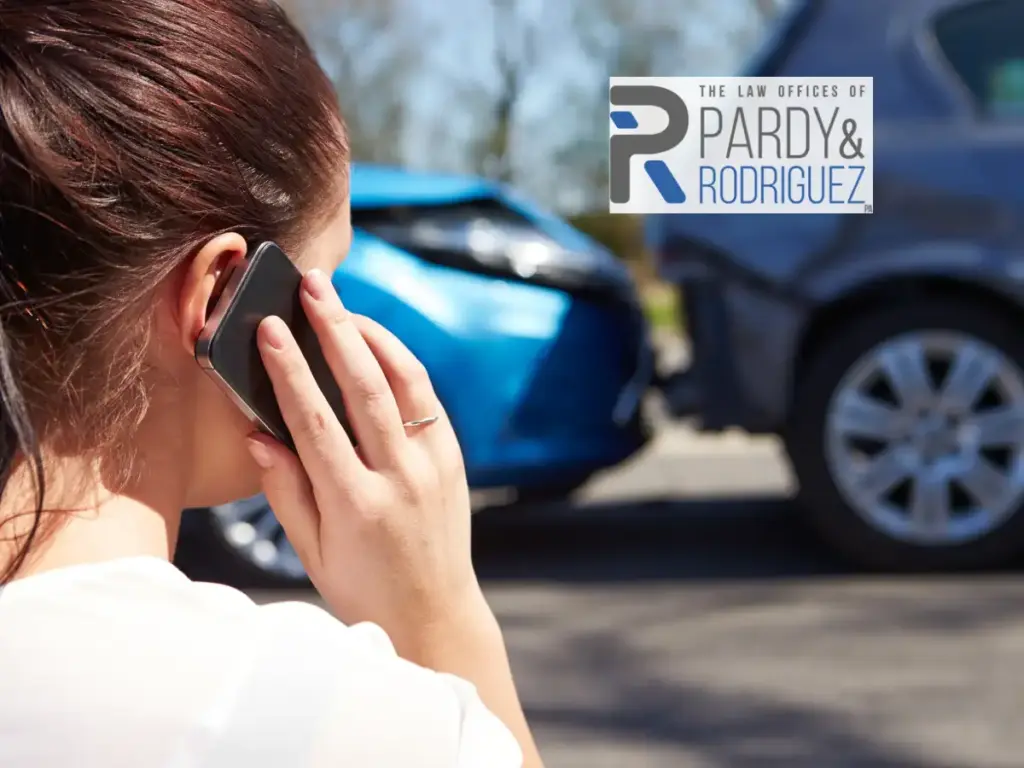
When To Contact a Lawyer After a Car Accident in Orlando, Florida
The moments following a car crash on busy Central Florida roads like…

Do I Need to Have Florida Uninsured Motorist Coverage or Underinsured Motorist Coverage?
One careless driver can change your life in seconds. After a crash…
10 Most Common Truck Accident Injuries in Orlando, Florida
Living in Central Florida means sharing our local highways, including the heavily…
Always close. Always ready. Offices across Orlando, Bradenton, Tampa, Deltona, Poinciana, Davenport, Kissimmee, and Lakeland (Satellite Office).
Content goes here .. (2)