




Hit and Run Accident Attorney in Florida
Pardy & Rodriguez, P.A. helps injured people in Florida communities pursue injury claims after a hit and run accident, especially when a hit and run driver leaves them with medical bills, vehicle repairs, and insurance questions.
Injured in a Hit and Run Accident in Florida?
A hit and run accident is not something you asked for. One moment, you were going about your day, and the next, another driver hit your vehicle and disappeared. No license plate. No apology. No one is stopping to help. If that’s where you are right now, you’re probably feeling a mix of anger, confusion and worry about what comes next.
The frustrating reality is that hit-and-run accidents leave victims in a uniquely difficult position. The person responsible for your injuries is gone, and you may not know where to turn. But disappearing from the scene doesn’t mean the other driver escapes accountability, and it doesn’t mean you’re left without options. At Pardy & Rodriguez, we work with hit-and-run accident victims across Florida every day. We know how disorienting this experience can be, and we’re here to walk you through every step of what comes next.
Call us at 888-522-0222 or fill out our online form to schedule a free consultation with our team.
Key Takeaways
Here are some points to know after a hit and run accident:
- Your own insurance may provide certain benefits, even if the other driver has not been identified.
- A driver involved in an injury crash, property damage crash, or unattended vehicle crash must follow duties set by Florida law.
- Florida PIP coverage generally requires initial medical care within 14 days after the crash.
- An uninsured motorist claim after a hit and run may provide a path when the fleeing driver is not found or lacks insurance.
- Police reports, photos, witnesses, and video footage may become harder to gather as time passes.
- Pardy & Rodriguez can review the crash, gather available evidence, look at your insurance coverage, communicate with insurers, and help you pursue the claim options that apply after a hit and run accident.
What Counts as a Hit and Run Accident in Florida?
A hit and run accident usually involves a driver leaving the accident scene before meeting Florida’s duties after a car accident, auto accident, or related crash. Those duties can include:
- Stopping
- Giving identifying information
- Showing a driver’s license when requested
- Helping injured people seek medical care
- Contacting law enforcement when required
In Florida, leaving the scene of an accident is a criminal offense, and the severity of the charge increases based on whether the crash caused property damage, injuries or death.
For victims, the challenge is that pursuing compensation becomes more complicated when the at-fault driver flees, cannot be identified, or cannot be located. Florida’s legal framework, however, may provide paths forward even when the other driver is not found. Uninsured motorist coverage, underinsured motorist coverage, your own personal injury protection policy, and civil claims against the driver responsible may all need review.
Common Injuries From Hit and Run Accidents
A hit and run crash can cause injuries that may not feel severe right away. Adrenaline, shock, and stress can hide pain during the first few hours. Some people walk away from the scene, then feel neck pain, headaches, or numbness later that day or the next morning.
Common injuries can include:
- Whiplash
- Traumatic brain injuries
- Back injuries
- Broken bones
- Facial injuries
- Psychological distress
Pedestrians, bicyclists, motorcyclists, and scooter riders may face severe harm because they have less protection than people inside a vehicle.
Medical treatment matters after a hit and run accident because a timely visit can document your injuries, help connect them to the crash, and protect your ability to use PIP benefits, which generally require initial care within 14 days in Florida.
What to Do After a Hit and Run Accident in Florida
After a hit and run accident, these steps can help protect your health and your claim:
- Call 911: Report the crash, ask for medical help if needed, and explain that the other driver left the scene.
- Stay in a safe place: Move away from traffic if you can do so safely, but do not leave before speaking with law enforcement when the crash involves injury or reportable damage.
- Do not chase the driver: Following the fleeing driver can place you and others at risk. Share vehicle details with police instead.
- Write down what you remember: Note the vehicle’s color, make, model, partial plate, damage, direction of travel, driver description, and time of the crash.
- Take photos and videos: Document vehicle damage, injuries, debris, and the overall scene.
- Look for witnesses and cameras: Nearby drivers, pedestrians, rideshare vehicles, dashcams, and traffic cameras may help identify the fleeing driver.
- Seek medical care quickly: A doctor can evaluate injuries and document symptoms before they worsen.
- Notify your insurance company: Report the crash to your insurance provider, but be careful with recorded statements before you know the full extent of your injuries.
- Review your policy: PIP, UM coverage, underinsured motorist coverage, collision coverage, and health insurance may each play a role after a hit and run accident.
- Speak with a hit and run accident attorney: Legal support can help you preserve evidence, communicate with insurers, and assess claim options.
Matters Handled Under Hit and Run Accident Cases
Hit and run accident representation at Pardy & Rodriguez covers a wide range of situations and injury types, including:
- Accidents where the other driver was never identified
- Cases where the at-fault driver was later located and identified
- Pedestrian and cyclist hit-and-run collisions
- Uninsured motorist coverage disputes with your own insurer
- Claims involving severe or catastrophic injuries, including traumatic brain injuries and spinal damage
- Cases involving wrongful death stemming from a hit-and-run collision
Uninsured Motorist Claim After a Hit and Run
An uninsured motorist (UM) claim after a hit and run may help when the driver who caused the crash has no liability insurance, lacks enough liability coverage, or cannot be identified, which is why UM coverage should be reviewed closely after a Florida hit and run accident.
UM coverage is different from PIP. PIP may help with certain medical expenses and lost income regardless of fault, while UM coverage may address losses tied to an at-fault driver who has little or no available insurance coverage.
Some Florida drivers do not carry UM coverage because they may reject it in writing. Pardy & Rodriguez can review your policy, explain how the coverage may apply, and help you review how a UM claim may work with PIP or other insurance options.
Florida Statute of Limitations for Hit and Run Accident Claims
Florida gives injured people a limited time to file many personal injury lawsuits. In many negligence cases, the deadline is two years from the date of the crash. Wrongful death claims also generally carry a two-year deadline.
Timing matters for more than the legal deadline because hit and run accident claims often depend on evidence that may fade quickly, including video footage, witness details, and the condition of the vehicles involved.
Insurance policies may also include notice and cooperation requirements. PIP benefits have the 14-day medical care rule. UM claims may require careful communication with the insurer. Because these timing issues can affect your claim, reaching out early can help your legal team gather information and review coverage while evidence is still available.
If you are unsure whether too much time has passed, speak with an attorney before assuming you have no claim. The facts, date of the crash, type of claim, and insurance policy can all matter.
Liability and Negligence After a Hit and Run Accident
The fact that a driver left the scene can be important, but an injury claim still needs evidence. A claim may need to show who caused the crash, how the crash happened, how the injuries relate to the collision, and what losses followed.
If the driver is later identified, the claim may involve that driver, their insurer, or other responsible parties. If the driver is not found, the claim may focus on your own insurance coverage, including PIP and UM coverage if available.
Florida’s modified comparative negligence rule can also affect injury claims. An insurance company may argue that the injured person shares fault for the crash. For example, it may question speed, lane position, visibility, traffic signals, or reaction time. If fault becomes disputed, photos, witness statements, crash reports, and medical records can become especially important.
Pardy & Rodriguez can help review these issues and communicate with insurers. Our role is to help present the facts clearly, document the harm, and pursue the claim options that apply to your case.
Benefits of Pursuing a Hit and Run Claim in Florida
Your own insurance may cover more than you think
Florida law allows uninsured motorist coverage to apply in hit-and-run situations. If you have this coverage, it can compensate you for medical bills, lost wages, and pain and suffering, even when the other driver is never found.
Physical evidence fades quickly
Acting promptly with an experienced attorney preserves skid marks, surveillance footage, and witness accounts before they disappear. Having legal support early makes a genuine difference in what your case can establish.
Florida’s no-fault system still applies
Even after a hit-and-run crash, your personal injury protection coverage may help pay for initial medical costs and certain lost income. How that coverage works with a hit-and-run claim depends on your policy, your treatment timeline, and the facts of the crash.
A located driver can face both civil and criminal liability
If law enforcement identifies the other driver, you may pursue a civil claim for damages alongside any criminal proceedings. These are separate processes, and civil recovery is not dependent on a criminal conviction.
You are not required to manage this alone
Insurance companies, even your own, have adjusters whose job is to minimize payouts. Having an attorney communicate on your behalf levels the playing field considerably.
Why Work With Pardy & Rodriguez, P.A.
What sets our approach apart is not a polished pitch. It is the fact that we treat each client as a person going through something hard, not as a file number. Our attorneys take the time to learn your situation, explain your options in plain language, and keep you informed throughout the process.
We bring strong familiarity with Florida courts, Orlando-area roads, and the way insurers handle hit-and-run claims in this state. That knowledge is practical and directly relevant to your case. When you work with us, you work with attorneys who know their people, care about clear communication, and take your family’s situation seriously.
Schedule Your Free Case Evaluation
If you’ve been hurt in a hit-and-run accident in Florida, you don’t have to figure this out on your own. Reaching out costs nothing, and our first conversation is always free.
Call us at 888-522-0222 or fill out our online form to schedule a free consultation with our team. We’ll listen, answer your questions honestly, and help you know what your options look like.
Ask A Question,
Tell Us Your Situation, &
Get A Free Consultation
Required Fields*
Your Information Is Safe With Us.
Related Practice Areas
Frequently Asked Questions About Hit and Run Accidents in Florida
- What Damages Can I Pursue After a Dog Bite Injury in Florida?
A dog bite claim may include medical expenses, lost wages, physical pain, emotional trauma, scarring, disfigurement, infection treatment, future medical care, and other damages supported by the facts. The value depends on the injuries caused, insurance coverage, and Florida law.
- What if the Dog Bite Happened at the Owner’s Home While I Was Visiting?
Being a lawful guest on the owner’s property does not automatically disqualify your claim. However, Florida law includes an exception if the owner displayed an easily readable “Bad Dog” sign, unless the person bitten was under six years old or the owner’s negligent act or omission caused the injury.
- Can I Pursue a Claim Against Someone I Know Personally?
Many dog bite claims involve a homeowner’s or renter’s insurance policy, not direct payment from the dog owner. This can make the claim less personally difficult than many people expect.
- How Long Do I Have To File a Dog Bite Claim in Florida?
Florida deadlines can depend on the legal theory, the date of the dog bite or animal attack, the injured person’s age, and the parties involved. Some negligence-based claims may involve a two-year deadline, while other dog bite claims may involve different timing under Florida law. A dog bite attorney can review the facts and explain which deadline may apply.
- Does Florida Dog Bite Law Apply if the Dog Had Never Bitten Anyone Before?
Florida follows a strict liability standard for many dog bite claims. This means prior dangerous behavior is not required to hold the owner responsible if the person bitten was in a public place or lawfully on private property when the bite occurred.
Questions About Your Case? Get a Free Consultation. Click to Call 888-522-0222
Questions About Your Case? Get a Free Consultation. Click to Call 888-522-0222

professional associations





Real Clients, Real Reviews
Recent Blog Posts

Our Recent Legal Insights & Press Releases
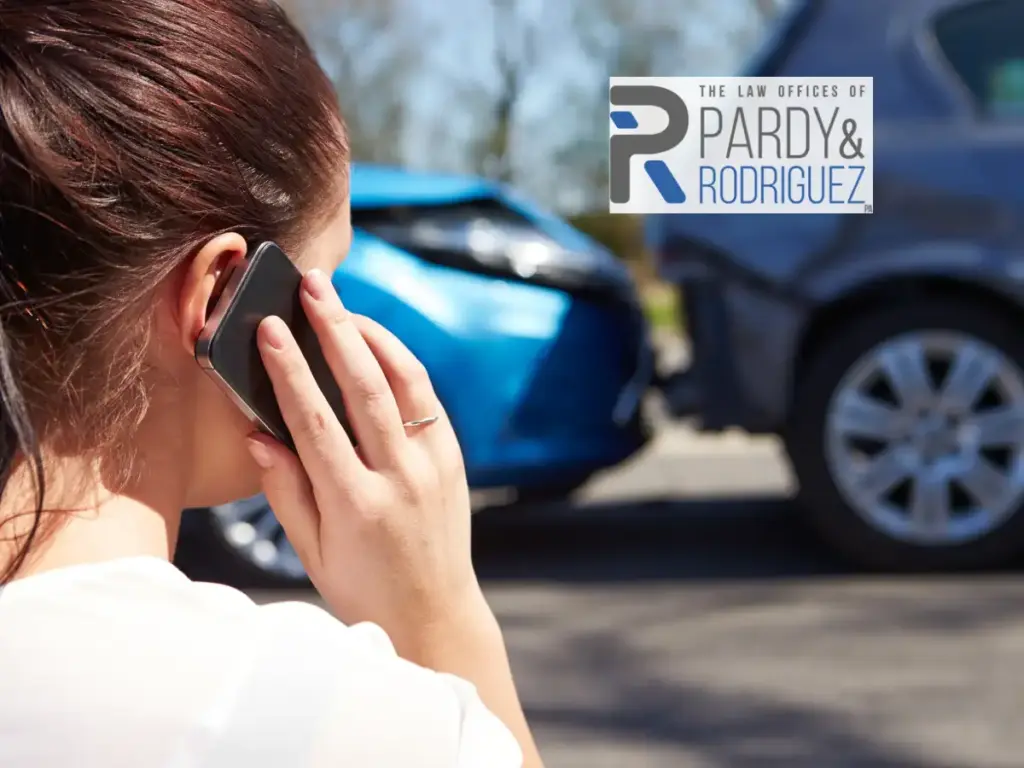
When To Contact a Lawyer After a Car Accident in Orlando, Florida
The moments following a car crash on busy Central Florida roads like…

Do I Need to Have Florida Uninsured Motorist Coverage or Underinsured Motorist Coverage?
One careless driver can change your life in seconds. After a crash…
10 Most Common Truck Accident Injuries in Orlando, Florida
Living in Central Florida means sharing our local highways, including the heavily…
Always close. Always ready. Offices across Orlando, Bradenton, Tampa, Deltona, Poinciana, Davenport, Kissimmee, and Lakeland (Satellite Office).
Content goes here .. (2)