



Matthew D. Pardy, Esq.
Founding Partner


This source clarifies the legal options available to individuals who suffer injuries while riding as a passenger in a Florida vehicle. Victims typically possess the right to file a lawsuit against the motorist responsible for the collision, regardless of whether that person was driving the victim’s car or another vehicle. However, the text highlights a significant legal exception that prevents individuals from taking legal action against their own spouses. Because these regulations can be complex, the information emphasizes the necessity of consulting a qualified attorney immediately following an accident. Ultimately, the material serves as a brief guide for navigating personal injury claims within the specific context of Florida state law.
Passengers in Florida may be able to sue the driver of the vehicle they were in if that driver is found to be at fault for the accident.
Liability for passenger injuries typically rests with the driver who was at fault for the accident, regardless of which vehicle they were operating.
Yes, Florida law includes specific exceptions that can prevent a passenger from suing certain at-fault drivers.
Yes, if you are injured as a passenger in a vehicle operated by your spouse, you may be able to seek compensation through your spouse’s auto insurance policy if your spouse was at fault for the accident.
An injured passenger should contact an attorney as soon as possible if they were involved in an accident where the person driving their vehicle was at fault.
Legal action is generally based on identifying the driver who had fault for the accident, which then allows the passenger to pursue a claim against that individual.
Passengers generally maintain the right to sue at-fault parties, though they must be aware of specific state-level exceptions regarding family members.
Injured passengers should speak to an attorney as soon as possible following a car accident to ensure their rights are protected under Florida law.
Yes, a passenger may be able to sue the person driving the vehicle that was responsible for the accident, provided no legal exceptions apply.
A primary restriction is the inability to sue a spouse for injuries sustained in an accident where the spouse was the at-fault driver.
If you’ve been injured in a car accident in Florida as a passenger you may be able to sue the person that was driving the vehicle that had fault for the accident there are some exceptions in the state of Florida however you cannot sue your spouse so if you have been injured as a passenger in a car where the at fault driver is the person driving your car you need to speak to an attorney as soon as possible.
Post tags
Required Fields*
Your Information Is Safe With Us.
Questions About Your Case? Get a Free Consultation. Click to Call 888-522-0222
Questions About Your Case? Get a Free Consultation. Click to Call 888-522-0222

Founding Partner

Founding Partner

Certified Civil Trial Attorney

Personal Injury Attorney

Associate Attorney
Founding Partner
Founding Partner
Certified Civil Trial Attorney
Questions About Your Case? Get a Free Consultation. Click to Call 888-522-0222
Questions About Your Case? Get a Free Consultation. Click to Call 888-522-0222
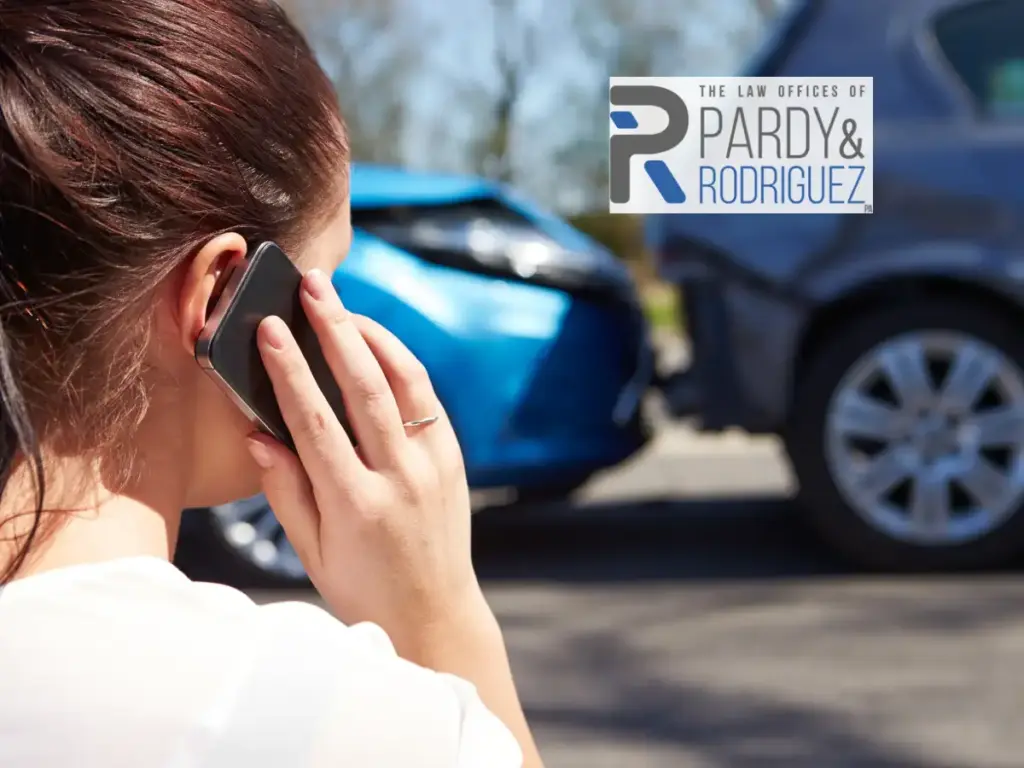
The moments following a car crash on busy Central Florida roads like…

One careless driver can change your life in seconds. After a crash…

Living in Central Florida means sharing our local highways, including the heavily…
Pardy & Rodriguez, P.A. — the firm represents injured individuals in accident and insurance cases.

By contacting Pardy & Rodriguez, P.A. by any means, you agree that you are not forming an attorney-client relationship. Any information you provide may not remain confidential nor be protected by the attorney-client privilege. An attorney-client relationship cannot be formed without a written agreement signed by Pardy & Rodriguez, P.A.
Always close. Always ready. Offices across Orlando, Bradenton, Tampa, Deltona, Poinciana, Davenport, Kissimmee, and Lakeland (Satellite Office).
Content goes here .. (2)