




Distracted Driving Accident Lawyer in Florida
Pardy & Rodriguez, P.A. helps people in Florida after a distracted driving accident involving texting, cell phone use, GPS use, or other driver distraction.
Distracted Driving Accident Help in Florida
A distracted driving accident can feel especially painful because it may have happened for one simple reason: another driver was not paying attention. You were following the rules. You were where you were supposed to be. And in one distracted moment, someone else’s carelessness changed everything for you. The road to recovery, both physical and financial, can feel long when you are dealing with hospital visits, insurance calls, and uncertainty about what comes next. You should not have to face that alone.
At Pardy & Rodriguez, P.A., we work with injured Floridians who have been hit by drivers who were texting, eating, adjusting their GPS, or otherwise not focused on the road. If that sounds like your situation, we want to hear from you.
Call us at 888-522-0222 or fill out our online form to schedule a free consultation with our team.
Key Takeaways
Here are the main points to know before you speak with the other driver’s insurance company:
- Distracted driving involves more than texting. It can include cell phone use, GPS use, eating, reaching for objects, looking away from the road ahead, or talking to passengers.
- Florida has specific distracted driving laws. Texting while driving is a primary offense, and Florida’s ban also limits handheld wireless communications device use in school and active work zones.
- Cell phone records, video footage, vehicle data, and witness statements can help prove distracted driving, but early action often matters.
- Florida personal injury law affects your claim. PIP rules, the 14-day medical care deadline, comparative fault, and the two-year negligence deadline may affect your options.
- Pardy & Rodriguez, P.A. can review the police report, gather evidence, look for phone records or video footage, speak with the insurance company, and help you pursue a claim based on what happened.
What Is a Distracted Driving Accident Claim?
A distracted driving claim is a personal injury case that arises when a driver’s inattention causes a car crash. Distraction takes many forms, including:
- Looking at a phone
- Adjusting the radio
- Eating behind the wheel
- Being lost in thought
When that inattention causes harm, the injured person may have grounds to pursue compensation. Florida law requires drivers to operate their vehicles with reasonable care. A driver who fails to meet that standard and injures someone as a consequence can be held liable. Florida restricts texting while driving statewide and limits handheld device use in designated school crossings, school zones, and certain work zones. A violation of either restriction can be relevant to your civil claim.
Unlike some crashes where fault is contested for other reasons, distracted driving cases often come down to proving what the other driver was doing at the moment of impact. That is where investigation, witness accounts, and phone records can make a meaningful difference.
What Counts as Distracted Driving?
Distracted driving happens when a driver’s eyes, hands, or mind move away from the task of driving safely. Texting while driving is one of the clearest examples because a driver looks away, handles a cell phone, and thinks about the message instead of traffic. Sending a text takes your eyes off the road for five seconds, which can be enough time to miss stopped traffic, a red light, or someone crossing the road.
Cell phone use can create risk even when the driver is not texting. A driver may tap a map app, answer a call, look at a notification, search for music, or check a rideshare or delivery app while behind the wheel. Other electronic devices inside the vehicle can also pull attention away from the road.
Common distracted driving behaviors include:
- Texting and driving: Reading, typing, or sending a message can pull a driver’s attention away from the road and lead to a distracted driving crash.
- Cell phone use: A driver may look at a phone screen, answer a call, check an app, or handle a cell phone while driving.
- GPS and vehicle screens: A driver who enters directions or studies a screen may drift from a lane or brake too late.
- Inside-the-car distractions: Eating, drinking, grooming, or reacting to passengers can pull attention away from the road.
- Work-related distractions: A rideshare, delivery, commercial, or fleet driver may use apps, messages, or in-vehicle systems while driving.
The simplest way to reduce the risk of a distracted driving crash is to focus solely on driving. When a driver chooses something else while behind the wheel, even for a few seconds, that choice can put others at risk.
Florida Distracted Driving Law
Florida distracted driving law addresses texting while driving and certain handheld cell phone use. Under Section 316.305, Florida Statutes, texting while driving is a primary offense, which means an officer may stop a driver for texting behind the wheel.
Florida also restricts handheld wireless device use in certain school zones and active work zones under Section 316.306, Florida Statutes. These rules may support an injury claim when the driver’s phone use connects to the crash.
A distracted driving claim usually needs more than proof of a traffic violation. The evidence should help show that the driver’s texting, cell phone use, or other distraction caused the crash. For example, phone records, witness statements, or the police report may help connect the driver’s conduct to delayed braking, lane drift, a missed stop, or a red light crash.
How to Prove Distracted Driving in a Car Accident
Many clients ask how to prove distracted driving in a car accident when the other driver denies phone use. The answer often starts with timing. The question is not only whether the driver used a cell phone that day. The question is whether phone activity, visual distractions, manual distractions, or cognitive distractions affected the driver at the exact time of the crash.
A police report can help identify traffic violations, crash location, witness names, citations, insurance information, and other crash details. It may also show whether the driver admitted looking away, texting, or failing to see traffic. Phone records may show calls, texts, or data activity near the time of the crash.
Other proof may include video footage, witness statements, or medical records that connect the driving accident to your injuries. If the insurance company disputes fault, this evidence can help show how the distracted driver failed to brake, drifted from a lane, missed a stop, or caused the collision.
Common Injuries from Distracted Driving Accidents
Distracted driving crashes can cause injuries that disrupt daily life right away. Common injuries and related claim issues may include:
- Neck, back, and shoulder injuries: A rear-end car accident may cause pain, stiffness, headaches, or limited movement.
- Head injuries and concussion symptoms: Some symptoms may appear right away, while others may develop after the adrenaline fades.
- Broken bones and joint injuries: Intersection crashes may cause fractures, knee injuries, hip injuries, chest trauma, or internal injuries.
- Serious pedestrian, bicycle, or motorcycle injuries: A distracted driver who fails to stop can cause severe harm to someone outside a vehicle.
- Medical records and PIP timing: Florida PIP coverage includes a 14-day timing rule for initial medical care, so prompt treatment and copies of records, prescriptions, imaging, therapy notes, and bills can matter.
- Claim-related losses: In more serious personal injury cases, the claim may include economic and non-economic damages when Florida law supports those categories. Economic damages include medical bills and lost wages. Non-economic damages may include pain, physical limitations, and emotional distress.
What To Do After a Distracted Driving Accident
The steps you take after a distracted driving accident can affect your health and the strength of your claim:
- Call 911 and move to a safe location: Report the crash, request medical help if needed, and stay away from active traffic when possible.
- Tell the officer what you personally observed: If you saw the other driver looking down, holding a cell phone, texting, drifting, or running a red light, say that clearly without guessing.
- Take photos and video: Document the crash site, vehicle damage, traffic lights, road markings, injuries, and anything visible inside the vehicles.
- Look for witnesses and cameras: Nearby drivers, pedestrians, businesses, homes, buses, rideshare vehicles, and dashcams may have useful information.
- Seek medical care: A medical visit can protect your health and create a record that connects your symptoms to the crash.
- Be careful with insurance calls: The other driver’s insurance company may ask for a recorded statement before you know the full facts.
- Call Pardy & Rodriguez: A free consultation can help you talk through what happened and what proof may matter.
Statute of Limitations for Distracted Driving Accident Claims in Florida
You have two years to file a personal injury lawsuit in Florida in many negligence cases. Distracted driving cases often fall under negligence because the claim usually argues that the driver failed to use reasonable care. If the case does not settle and a lawsuit becomes necessary, this deadline can matter.
The filing deadline matters, but it is not the only reason to act early. Some evidence can disappear much sooner. Video footage can be overwritten, witnesses may forget details, businesses may delete camera files, or a vehicle can be repaired before damage patterns are reviewed.
Early legal support can help preserve evidence and show the insurance company that the claim is being handled carefully. It can also help you avoid giving statements before you know the full injury picture. After a distracted driving accident, it helps to speak with a lawyer before the insurance company leads the conversation.
Liability and Negligence in Distracted Driving Cases
Distracted driving cases usually focus on negligence. A driver has a duty to pay attention, follow traffic rules, and drive with reasonable care. A driver broke that duty if texting, looking at a phone screen, reaching for an object, adjusting a device, or failing to watch the road ahead caused the crash. If that conduct causes a crash, the injured person may have grounds to pursue a claim.
The at-fault driver can be responsible, but a distracted driving accident claim can also involve another motorist or party, such as a vehicle owner, employer, rideshare driver, delivery driver, or insurance carrier. The path forward depends on who controlled the vehicle, why the driver was on the road, and what coverage applies.
Florida comparative fault law can also affect the claim. The driver’s insurance company may argue that you were speeding, following too closely, distracted, or partly responsible. In many negligence cases, Florida law can reduce a claim based on fault, and a person found greater than 50 percent at fault may be barred from damages. That makes proof especially important when the insurance company disputes what happened.
Benefits of Pursuing a Distracted Driving Claim in Florida
Working with Pardy & Rodriguez, P.A. on a distracted driving case offers several real advantages:
- Timely evidence support: Phone records, surveillance footage, and witness statements can become harder to collect as time passes. An attorney can review what evidence matters, take steps to preserve it, and help build a claim around the facts of the crash.
- Accurate damage valuation: Distracted driving crashes can cause serious injuries. An attorney can account for the full scope of your losses, including future care and long-term income effects.
- Florida law as a tool: Evidence that the at-fault driver violated Florida’s handheld device laws can support your claim. Knowing how to use that evidence effectively matters.
- Insurance communication support: Insurance companies can question fault, injuries, or the value of your claim. An attorney can speak with the insurance company for you, respond to claim issues, and help present your case with the records and evidence available.
- No upfront attorney fees: Pardy & Rodriguez, P.A. handles distracted driving cases on a contingency fee basis. That means attorney fees are paid from a financial recovery if one is made, not upfront.
How a Distracted Driving Claim Works in Florida With Pardy & Rodriguez, P.A.
Here is what the process typically looks like when you work with our firm:
Step 1: Free Consultation
We start by listening to your account of the accident. There is no charge and no obligation. We want to know what happened and give you an honest assessment of your situation.
Step 2: Investigation and Evidence Gathering
Our team works to pull together everything that supports your case: accident reports, witness contact information, available surveillance footage, and, where appropriate, phone records that show the other driver was distracted at the time of the crash.
Step 3: Insurance Claim Filing
We coordinate your insurance claim with your own insurer and, where applicable, pursue a third-party bodily injury claim against the at-fault driver’s insurance company.
Step 4: Negotiation
We communicate directly with the insurer on your behalf, presenting a clear picture of your damages and advocating for a fair settlement. You will be kept informed throughout.
Step 5: Litigation if Necessary
If a reasonable settlement cannot be reached, we are fully prepared to take your case to court and advocate for you before a judge or jury.
Matters Handled in Distracted Driving Cases
Pardy & Rodriguez, P.A. handles many types of accidents caused by distracted driving, including:
- Crashes caused by texting or handheld phone use
- Accidents involving drivers using GPS
- Collisions caused by eating, drinking, or grooming while driving
- Rideshare driver distraction cases (Uber, Lyft)
- Commercial and fleet vehicle distraction accidents
- Passenger and pedestrian injury claims
- Wrongful death claims arising from distracted driving collisions
Why Work With Pardy & Rodriguez, P.A.
Distracted driving claims involve specific evidence challenges, including phone records, witness statements, video footage, and questions about what the other driver was doing at the moment of impact. Our attorneys know Florida’s legal process and approach each case with care, preparation, and honest communication.
When you reach out to us, you speak with attorneys who are direct with you about your case, responsive to your questions, and committed to helping you pursue a fair settlement based on the facts. We handle these cases on a contingency fee basis, so you do not pay attorney fees upfront. Attorney fees are paid from a financial recovery if one is made.
Schedule Your Free Case Evaluation
If a distracted driver hurts you or someone you love, the next right step is a conversation. You do not need to have all the facts lined up or know exactly what your claim is worth. That is our job to figure out together.
Call us at 888-522-0222 or fill out our online form to schedule a free consultation with our team. We are ready to listen and ready to help you know your options.
Ask A Question,
Tell Us Your Situation, &
Get A Free Consultation
Required Fields*
Your Information Is Safe With Us.
Related Practice Areas
Frequently Asked Questions About Distracted Driving Accidents in Florida
- What Damages Can I Pursue After a Dog Bite Injury in Florida?
A dog bite claim may include medical expenses, lost wages, physical pain, emotional trauma, scarring, disfigurement, infection treatment, future medical care, and other damages supported by the facts. The value depends on the injuries caused, insurance coverage, and Florida law.
- What if the Dog Bite Happened at the Owner’s Home While I Was Visiting?
Being a lawful guest on the owner’s property does not automatically disqualify your claim. However, Florida law includes an exception if the owner displayed an easily readable “Bad Dog” sign, unless the person bitten was under six years old or the owner’s negligent act or omission caused the injury.
- Can I Pursue a Claim Against Someone I Know Personally?
Many dog bite claims involve a homeowner’s or renter’s insurance policy, not direct payment from the dog owner. This can make the claim less personally difficult than many people expect.
- How Long Do I Have To File a Dog Bite Claim in Florida?
Florida deadlines can depend on the legal theory, the date of the dog bite or animal attack, the injured person’s age, and the parties involved. Some negligence-based claims may involve a two-year deadline, while other dog bite claims may involve different timing under Florida law. A dog bite attorney can review the facts and explain which deadline may apply.
- Does Florida Dog Bite Law Apply if the Dog Had Never Bitten Anyone Before?
Florida follows a strict liability standard for many dog bite claims. This means prior dangerous behavior is not required to hold the owner responsible if the person bitten was in a public place or lawfully on private property when the bite occurred.
Questions About Your Case? Get a Free Consultation. Click to Call 888-522-0222
Questions About Your Case? Get a Free Consultation. Click to Call 888-522-0222

professional associations




Real Clients, Real Reviews
Recent Blog Posts
Our Recent Legal Insights & Press Releases
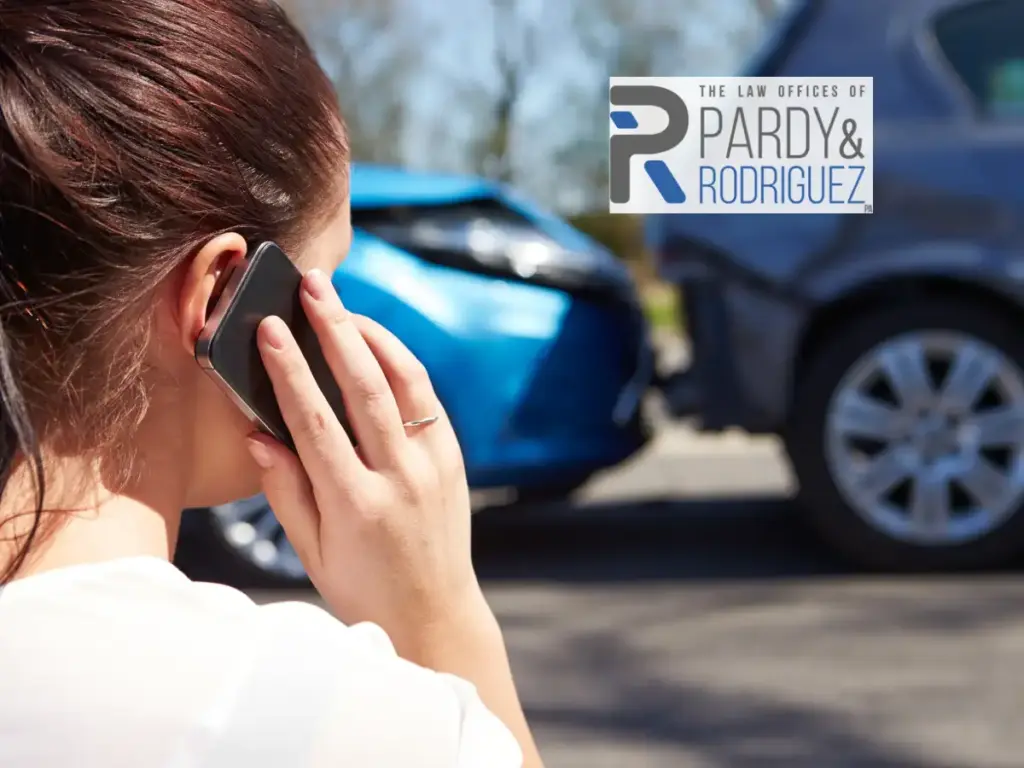
When To Contact a Lawyer After a Car Accident in Orlando, Florida
The moments following a car crash on busy Central Florida roads like…

Do I Need to Have Florida Uninsured Motorist Coverage or Underinsured Motorist Coverage?
One careless driver can change your life in seconds. After a crash…
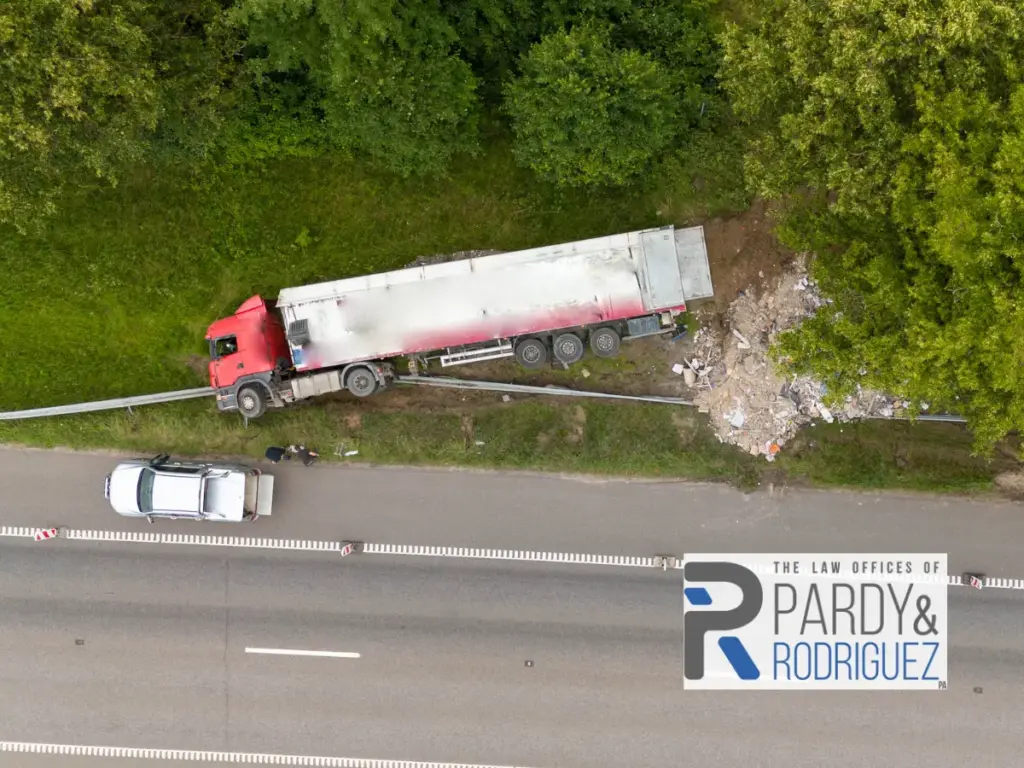
10 Most Common Truck Accident Injuries in Orlando, Florida
Living in Central Florida means sharing our local highways, including the heavily…
Always close. Always ready. Offices across Orlando, Bradenton, Tampa, Deltona, Poinciana, Davenport, Kissimmee, and Lakeland (Satellite Office).
Content goes here .. (2)